Friday, March 17, 2017

HAPPEN versus SUCCESS

Catalan: La vida és: El que em passa / El que jo faig que passi
Catalan: Pot passar qualsevol cosa
Catalan: Estigues tranquil, i passarà (Spanish : ocurrirá)
Catalan: Fes que les coses passin


SUCCESS: to achieve your goals
"Success" is Catalan  "Èxit"


SAY versus TELL


EXERCISE 1:  write
EXERCISE 2: choose
EXERCISE 3: choose
EXERCISE 4: choose (+ difficult)
EXERCISE 5: choose (+ difficult)
EXERCISE 6: webpage with lots of exercises


ACTUALLY versus NOWADAYS


ACTUALLY is not used to refer to time. It means IN FACT:

‘Hi, Mary. What a pleasant surprise!’ ‘Actually my name is Alice.’
I hear that you're a doctor. ~ Well, actually, I'm a dentist.
You are a doctor, right?’ ‘Well, actually, I’m a teacher.’
‘I don’t think you have sent the money, have you?’ ‘I have, actually.’
I have got a promotion. Actually, they have made me the manager.
‘Did you enjoy the movie?’ ‘Very much, actually.’


NOWADAYS, THESE DAYS or TODAY refer to the PRESENT TIME.

I don’t watch TV very much nowadays. There’s so much rubbish on. It’s not like it used to be.
These days you never see a young person give up their seat for an older person on the bus.
Today’s family structures are quite different from those of 100 years ago.
People don't wear hats much nowadays.


Thursday, March 16, 2017

VERY versus MORE and A LOT

VERY means  "to a great degree" . We use very before adverbs and adjectives to add emphasis.

IT'S VERY COLD


MORE is a comparative word. We also use it to talk about additional quantities. 


A LOT OF means  "MANY" or "VERY MUCH" and is used before NOUNS.

A LOT means VERY MUCH and is used at the end of the sentence.

A LOT OF FRIENDS


A LOT OF WATER


A LOT OF STUDENTS
A LOT OF BREAD
A LOT OF RAIN
A LOT OF PEOPLE
A LOT OF FOOD
A LOT OF FILMS
A LOT OF COFFEE
A LOT OF SALT
A LOT OF SNOW
A LOT OF CARS
A LOT OF HOUSES
A LOT OF NOISE
A LOT OF BLOOD

A LOT OF COMPUTERS

A LOT OF MONEY


FOR versus TO


EXPLANATION 1
EXPLANATION 2

EXERCISE 1
EXERCISE 2 (.pdf)

HIM versus HER


EXPLANATION 1
EXPLANATION 2: in Spanish
EXPLANATION 3

EXERCISE 1: three-option multiple choice
EXERCISE 2: two-option multiple choice
EXERCISE 3: HE'S or HIS
EXERCISE 4: three-option multiple choice
EXERCISE 5: three-option multiple choice

HEAR versus LISTEN


EXPLANATION 2: in Spanish


Friday, January 13, 2017

Modal verbs


EXPLANATION: MODAL VERBS OF OBLIGATION (have to + infinitive, must + infinitive and should + infinitive)

EXPLANATION (includes ought to)


Exercise 1: choose MUST - DON'T HAVE TO
Exercise 2: choose MUSTN'T or NEEDN'T
Exercise 3: choose MUST - DON'T HAVE TO  - DOESN'T HAVE TO
Exercise 4: choose MUST - DON'T HAVE TO  - DOESN'T HAVE TO
Exercise 5: choose MUST - DON'T HAVE TO  - DOESN'T HAVE TO
Exercise 6: write MUST - DON'T HAVE TO  - DOESN'T HAVE TO
Exercise 7: write MUST - DON'T HAVE TO  - DOESN'T HAVE TO
Exercise 8: choose MUST - MUSTN'T - DON'T HAVE TO  - HAVE TO


Exercise 1: choose SHOULD or MUST
Exercise 2:  choose SHOULD or SHOULDN'T
Exercise 3: choose SHOULD or SHOULDN'T
Exercise 4: write SHOULD or SHOULDN'T
Exercise 5: write SHOULD or SHOULDN'T
Exercise 6: write SHOULD or SHOULDN'T
Exercise 7: SHOULD - SHOULDN'T. Match the statement to the advice


MIXED MODAL VERBS

Exercise 1 Choose  HAVE TO, DON'T HAVE TO, CAN, CAN'T, SHOULD, SHOULDN'T
Exercise 2: Choose  HAVE TO, DON'T HAVE TO, CAN, CAN'T, SHOULD, SHOULDN'T
Exercise 3: Choose  HAVE TO, DON'T HAVE TO, CAN, CAN'T, SHOULD, SHOULDN'T

Monday, December 5, 2016

BE GOING TO versus WILL


EXPLANATION 1: in Spanish
EXPLANATION 2: in English
EXPLANATION 3: in English
EXPLANATION 4: in English


EXERCISE 1: choose
EXERCISE 2: choose
EXERCISE 3: write the verb with WILL or BE GOING TO
EXERCISE 4: write the verb with WILL or BE GOING TO
EXERCISE 5: write the verb with WILL or BE GOING TO
EXERCISE 6: write the verb with WILL or BE GOING TO
EXERCISE 7: write the verb with WILL or BE GOING TO

Tuesday, November 8, 2016

LOOK versus SEE versus WATCH


EXPLANATION 1 : in English
EXPLANATION 2: in English

Exercise 1: choose
Exercise 2: choose
Exercise 3: choose
Exercise 4: choose

TO versus FOR


EXPLANATION : in Spanish

HEAR versus LISTEN


EXPLANATION 1: in English
EXPLANATION 2: in English
EXPLANATION 3: in English


Exercise 1: choose
Exercise 2: choose
Exercise 3: choose

Pronouns and possessive adjectives


EXPLANATION 1: In Spanish, basic
EXPLANATION 2: in Spanish, with audio (complete)

Exercise 1: choose one object pronoun.
Exercise 2: choose me, you, him, her, us, them 
Exercise 3: write the sentence with the correct object pronoun.
Exercise 4: choose the correct word of the three lists above.
Exercise 5: choose the correct word of the three lists above.

Wednesday, May 18, 2016

Present Perfect Simple


EXPLANATIONS

Explanation 1: in Spanish
Explanation 2: in Spanish

PRESENT PERFECT AFFIRMATIVE

Exercise 1: choose HAS or HAVE
Exercise 2: write affirmative sentences
Exercise 3: write affirmative sentences

PRESENT PERFECT NEGATIVE
Exercise 1: write negative sentences
Exercise 2: write negative sentences

PRESENT PERFECT WITH PARTICLES
Exercise 1: write sentences with NEVER
Exercise 2 choose JUST, YET, ALREADY
Exercise 3: complete the sentences with JUST, YET, ALREADY
Exercise 4: complete the sentences with JUST, YET, ALREADY
Exercise 5: write sentences with JUST, YET, ALREADY

Exercise 6: choose FOR, SINCE
Exercise 7: choose FOR, SINCE
Exercise 8: write FOR, SINCE
Exercise 9: write FOR, SINCE

Exercise 10: choose EVER, NEVER
Exercise 11: Complete the sentences with EVER, NEVER
Exercise 12: click the words in the correct order (EVER, NEVER)

PRESENT PERFECT QUESTIONS

Exercise 1: write questions
Exercise 2: write questions
Exercise 3: write questions with question words.


PRESENT PERFECT (ALL FORMS)

Exercise 1: put the verbs into the correct form
Exercise 2: put the verbs into the correct form

SONGS IN THE PRESENT PERFECT

Thursday, March 17, 2016

TOO versus ENOUGH


EXPLANATION  (in Spanish) :


Exercise 1: choose TOO or ENOUGH
Exercise 2: choose TOO or ENOUGH
Exercise 3: click on TOO or ENOUGH
Exercise 4: multiple choice (3 options)
Exercise 5: complete with TOO or ENOUGH
Exercise 6: rewrite the sentences using TOO and ENOUGH

Friday, February 26, 2016

Future: WILL - BE GOING TO - PRESENT CONTINUOUS


WILL

Exercise 1. Write the verb with the WILL future (affirmative)
Exercise 2: Write the verb with the WILL future (negative)
Exercise 3: write the contractions of WILL (negative)
Exercise 4: write negative sentences with WILL
Exercise 5: write questions with WILL
Exercise 6: write the verbs into the affirmative, negative or interrogative form of WILL


BE GOING TO
Exercise 7: write the verbs in the affirmative form
Exercise 8: write affirmative sentences.
Exercise 9: write the verbs in the negative or interrogative form.
Exercise 10: put the words in order.
Exercise 11: choose the correct short answer.

PRESENT CONTINUOUS FOR FUTURE
Exercise 12: write the verbs in the correct form (affirmative, negative or interrogative)
Exercise 13: choose the verb in the correct form (affirmative, negative or interrogative)

CHOOSE WILL or BE GOING TO

Exercise 14: choose the correct verb
Exercise 15: choose the correct verb
Exercise 16: choose the correct verb
Exercise 17: write the verb


Tuesday, February 2, 2016

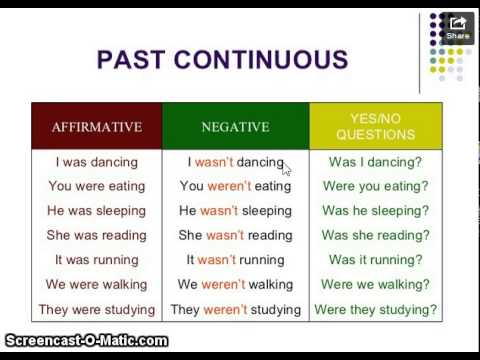
Past Continuous


Exercise 1: complete the sentences with WAS, WASN'T WERE or WEREN'T
Exercise 2: choose the correct option
Exercise 3: choose the correct option
Exercise 4: match the sentences.
Exercise 5: write sentences in the past continuous
Exercise 6: write questions
Exercise 7: write questions (more difficult)
Exercise 8: put the words in order.
Exercise 9: match the questions and the answers.

Past Simple


Exercise 1: choose the correct answer
Exercise 2: Write the correct verb in the affirmative form (regular and irregular verbs)
Exercise 3: write the verb in the past form (regular and irregular verbs)

Exercise 4: write the verb in the negative form
Exercise 5:  write the verb in the negative form

Exercise 6: write questions in the Past Simple
Exercise 7: write questions in the Past Simple
Exercise 6: complete the sentences (affirmative, negative, questions)

Past Simple / Past Continuous


The exercises are ordered according to their difficulty.

Exercise 1: click on the correct answer
Exercise 2: move the sentences into the correct box.
Exercise 3: match the questions and the answers.
Exercise 4: choose the correct option
Exercise 5: put the words in the correct order.

More difficult
Exercise 6: write the verb in the negative form.
Exercise 7 write the verb in the correct form (one gap)
Exercise 8: write the correct verb (two gaps)